Imagine a vibrant tapestry woven from threads of history, culture, and innovation. That’s what Rasnkada brings to the table. Whether you’re a history buff or someone simply browsing for the next big discovery, you’ll find that Rasnkada isn’t just a term, it’s a phenomenon. This guide will take you through its origins, significance in society, and future potential, all while keeping it light enough to make history feel like a walk in the park. Strap in for an engaging journey.
To understand Rasnkada, one must investigate into its rich roots. Historically, Rasnkada can be traced back to ancient practices that resonated through generations. These traditions weren’t merely activities: they were symbols of identity and community. Popular beliefs attribute its inception to specific cultural events that influenced its development.
Archaeological evidence suggests that Rasnkada dates back several centuries. Artifacts and ancient texts mention early forms of the practice, highlighting variations in technique and purpose. Initially developed as a means of storytelling, Rasnkada evolved to encompass broader aspects of life, serving as both entertainment and a cultural anchor. So, when discussing its origins, it’s essential to recognize the blend of tradition and adaptation that characterizes Rasnkada.
Cultural Relevance in Society
The cultural relevance of Rasnkada stretches far beyond its historical roots. It has engrained itself into the very fabric of society, influencing art, music, and even daily interactions. Across generations, this practice has fostered connections among people, bridging gaps between various cultural backgrounds.
Crafting and Techniques Used
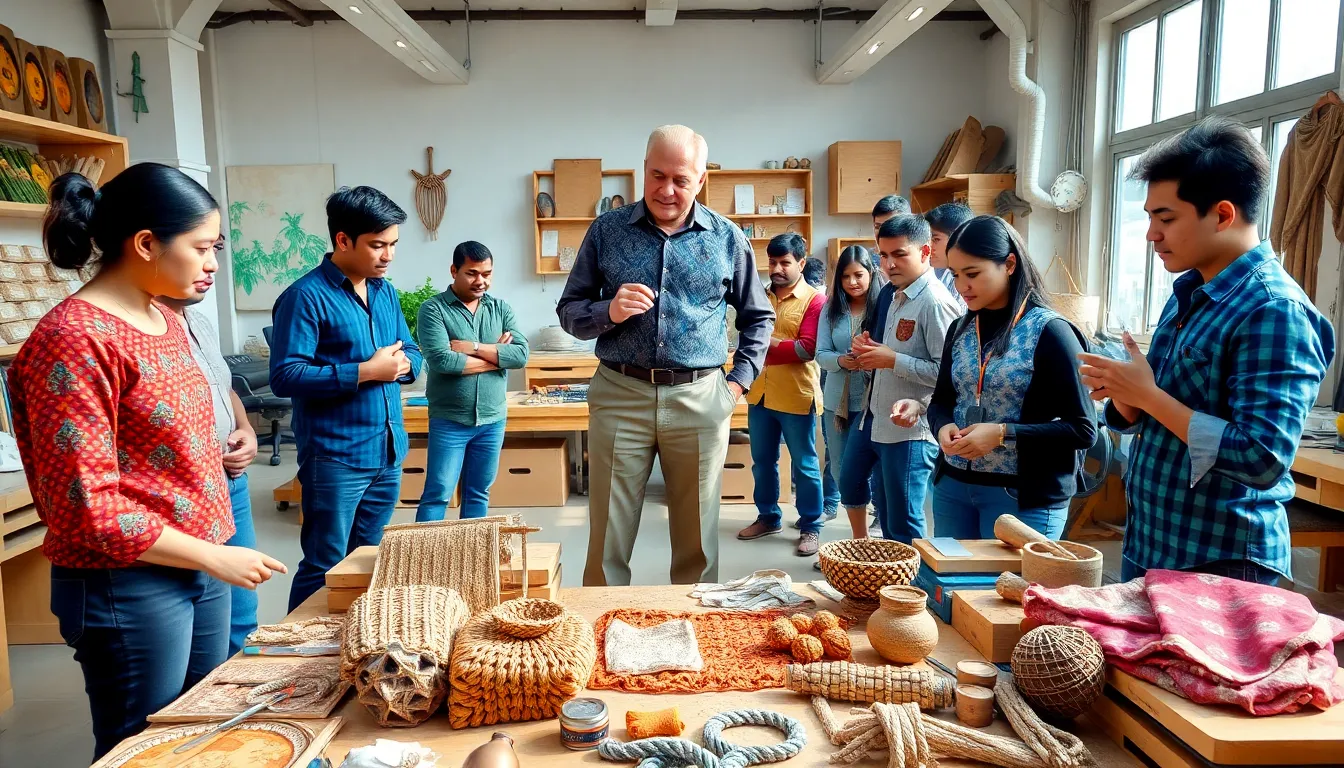
Crafting Rasnkada is an art form in itself. Artisans and practitioners use various techniques that highlight their creativity and dedication to tradition. Each element in Rasnkada, from materials to the final presentation, tells a story. Skillful hands mold and shape these works into stunning visuals, reflecting the values of the community.
There’s a deep-seated reverence for the methods passed down through generations. Like the careful hands of a sculptor, the techniques are often taught from one generation to the next. This transfer of knowledge ensures that each iteration of Rasnkada remains a testament to its cultural significance.
Modern Adaptations and Innovations
As times change, Rasnkada has not remained static. Modern adaptations have breathed new life into this age-old tradition. Today, practitioners blend traditional techniques with contemporary practices, creating a dialogue between the past and the present.
Comparison with Similar Practices
What sets Rasnkada apart from similar cultural practices? While many art forms aim to tell stories, Rasnkada employs unique techniques and elements distinct to its heritage. For instance, while other similar practices might focus solely on visual aesthetics, Rasnkada also emphasizes the narrative embedded in the process. This dual focus enhances its appeal, attracting both purists and newcomers.
Challenges Facing Traditional Rasnkada
Even though its rich heritage, Rasnkada faces significant challenges in the modern world. Rapid globalization threatens to overshadow traditional practices. As a result, younger generations may drift away from their cultural roots, opting for trends that prioritize speed over tradition.
Also, economic factors often limit access to resources necessary for practicing Rasnkada. This struggle can lead to a decline in the number of skilled artisans willing to continue the craft. Awareness campaigns and community initiatives are crucial in addressing these issues, fostering a renewed interest in preserving Rasnkada for future generations.
The Future of Rasnkada
Looking ahead, the future of Rasnkada depends on a careful balance between tradition and innovation. By embracing contemporary techniques and platforms, practitioners can breathe new life into this practice. Collaborative projects, workshops, and educational programs can ignite interest among the youth, encouraging them to explore their cultural heritage.
The ultimate goal is to create a community of enthusiasts who appreciate the significance of Rasnkada. As new artists emerge, blending their fresh ideas and traditional roots, Rasnkada may not only survive but thrive in an ever-changing landscape.