
Have you ever stumbled upon a tradition so captivating that it feels like stepping into a storybook? Welcome to the world of Gowthalamma. Often hailed as a symbol of rural devotion, Gowthalamma isn’t just a cultural relic: it’s a vibrant thread woven into the fabric of our community life. In this post, we’ll take you on a fascinating journey through her historical significance, cultural practices, and the lively rituals that encapsulate her essence. So, buckle up for a blend of history, culture, and a sprinkle of humor, who knew learning could be this fun?
Gowthalamma
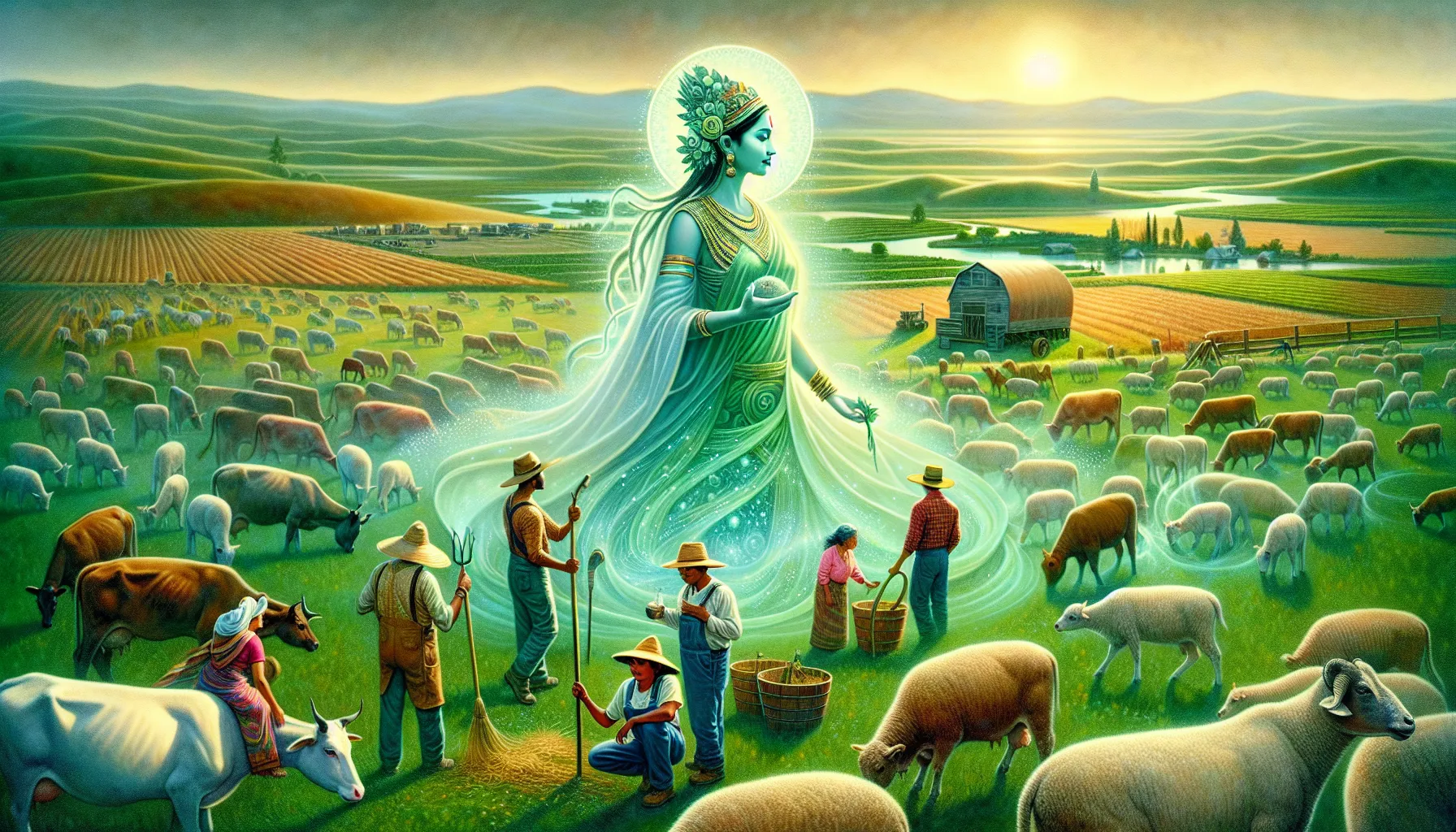
Gowthalamma, often revered as the guardian of cattle and agricultural prosperity, has a rich history that dates back centuries. Her origins can be traced through ancient texts and local legends, each layer adding to her mythos. We find ourselves delving into tales where Gowthalamma was seen protecting farmers’ livestock from harm, ensuring not just material wealth, but also the overall health of the community.
Interestingly, her narrative is intertwined with the seasonal cycles of agriculture, emphasizing how our ancestors viewed cattle as sacred beings. This connection reflects a deep respect for nature, allowing us to appreciate the role of Gowthalamma in sustaining life and culture. Over time, she has evolved from a mere symbol to a pivotal figure in our historical landscape, showcasing the evolution of agricultural practices and community values over time.
Cultural Practices Associated with Gowthalamma
In our exploration of Gowthalamma, we uncover a tapestry of cultural practices that reflect our reverence for her. Festivals, rituals, and daily customs celebrate her influence in our lives, creating a unique blend of spirituality and community bonding.
From vibrant festivals that fill the air with music and dance to quiet moments of prayer, every interaction with Gowthalamma breathes life into our culture. Villagers often paint murals depicting her stories, showcasing the artistic heritage that thrives in our communities. Traditional dances performed during harvest celebrate the bountiful blessings she provides, turning each occasion into an extravagant display of gratitude and appreciation.
Rituals and Celebrations
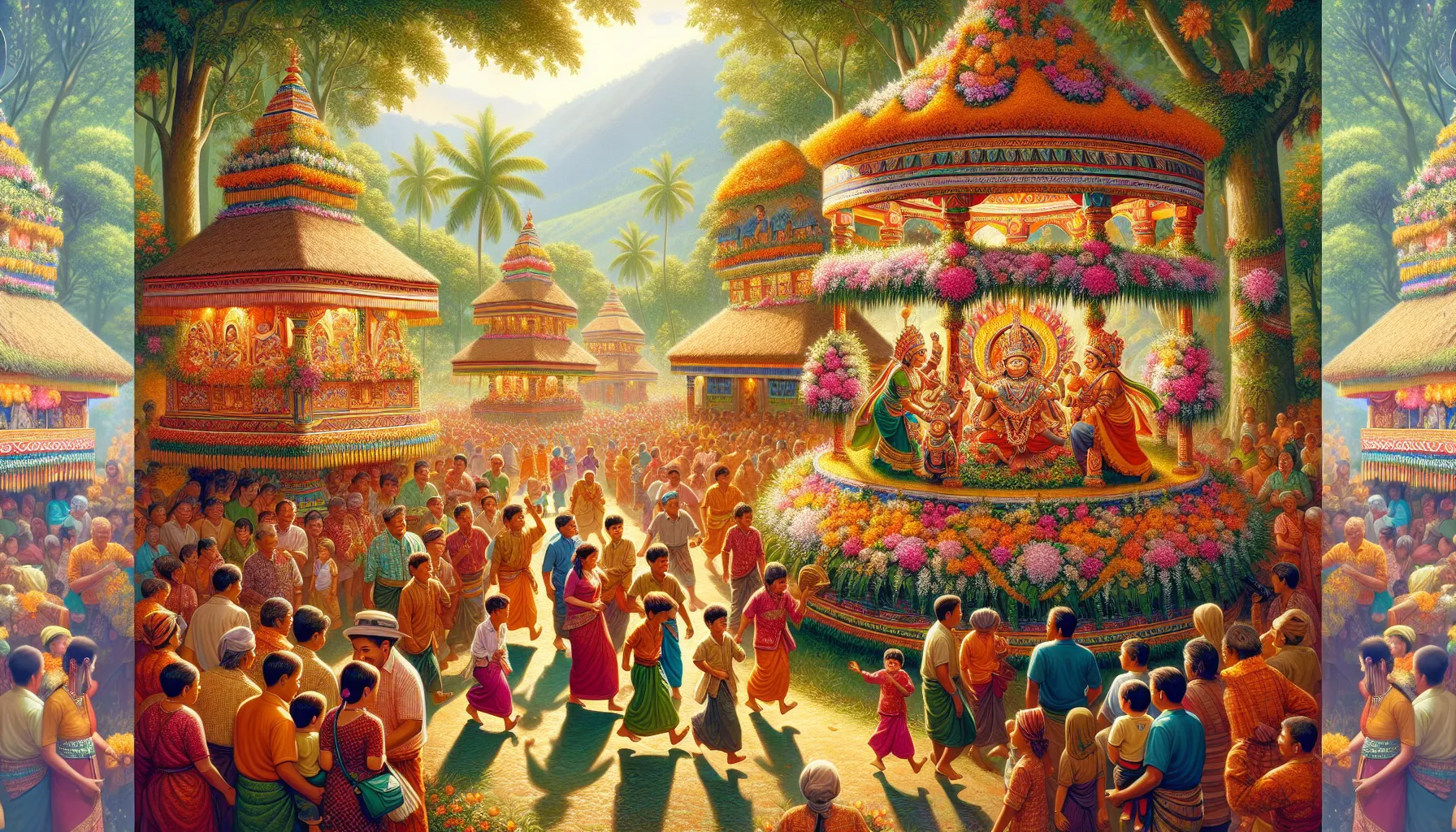
When we talk about rituals associated with Gowthalamma, we’re diving into an ocean of traditions that vary from region to region, yet all carry a common thread of love and respect. The annual Gowthalamma festival is a quintessential celebration, drawing families together to honor her through song, dance, and feasting.
As we gather around, we witness vibrant processions featuring beautifully adorned idols, where participants shower flowers and offer prayers. The ambiance buzzes with excitement, illustrating collective faith and tradition. Each ritual, whether it’s the lighting of lamps or the preparation of traditional sweets, has a story behind it, reminding us of the cultural wealth we inherit and share.
Devotional Aspects and Community Involvement
Gowthalamma isn’t just a divine figure: she embodies community spirit. Her festivals are a call to arms, inviting every member to participate in what can only be described as a communal celebration of faith. We come together not just to worship, but to strengthen bonds, share stories, and pass down wisdom to younger generations.
In many villages, we witness groups forming to prepare for these festivities, children helping their elders bake traditional sweets while sharing tales about Gowthalamma. This intergenerational involvement fosters unity, respect, and shared identity, highlighting her role as a bridge between the past and the present. It’s through these communal activities that the essence of Gowthalamma continues to thrive, reminding us that faith is often best expressed in togetherness.
Modern Interpretations and Influence

As we navigate through the modern era, Gowthalamma’s influence can still be felt, albeit reimagined. Many contemporary interpretations of her story reflect current environmental concerns, embracing her as a symbol of sustainability and conservation.
In initiatives aimed at protecting livestock and promoting organic farming, we find echoes of traditional values. Schools even incorporate the stories of Gowthalamma into their curricula, ensuring that children learn about sustainable practices alongside their cultural heritage. This blending of tradition with modern-day relevance showcases her enduring legacy, proving that faith, like culture, can adapt and thrive.